A Practical Guide to Latex Mattress Toppers: Choosing Dunlop vs. Latex Layers
An editorial exploration into latex toppers, with a focus on Dunlop latex and the practical implications of natural latex layers for support, temperature regulation, and durability. Built as an informative, non-sell oriented guide, this piece weaves sleep science with hands-on guidance to help readers compare materials, textures, and maintenance without promotional bias.
A brief landscape: what latex toppers are and why they matter
Latex toppers sit atop your existing mattress much like a weathered shoreline nestles a shoreline rock—not a replacement, but a recalibration. They serve to refine pressure relief, alignment, and temperature dynamics without the need for a full mattress replacement. In the spectrum of sleep technologies, latex stands out for resilience, breathability, and a tactile springiness that can noticeably alter how a bed feels across seasons and sleep positions.
Two primary latex families shape most consumer choices: Dunlop and Talalay. Dunlop latex is denser, often delivering a more supportive bottom layer with a straightforward feel. Talalay latex tends to offer a lighter, more buoyant sandwich with a uniform cell structure. This article centers on Dunlop as a foundational reference, while acknowledging the broader latex family’s contributions to sleep comfort.
Three key approaches to choosing a latex topper
Density and feel: A topper’s density and the layering of Dunlop latex directly influence support, pressure distribution, and the perceived firmness. Heavier sleepers often benefit from denser Dunlop cores, while lighter sleepers may prefer medium-density configurations that preserve bounce without sacrificing alignment.
Thermal regulation: Latex is inherently breathable, but the presence of wool blankets, cotton covers, and the topper’s overall depth can modulate temperature. In climates with higher humidity or warmer summers, a thinner Dunlop topping may feel cooler than a thicker, denser alternative.
Durability and care: Latex is known for longevity. A well-chosen Dunlop topper can extend the life of a mattress by evenly distributing wear, while simpler care routines—like spot cleaning, air exposure, and protective covers—help maintain performance over time.
Dunlop latex: a practical deep-dive
Dunlop latex is created through a process that yields a denser, more rugged core with a consistent, supportive profile. In toppers, this density translates into a stable base that resists sagging and maintains a predictable contour under pressure. The benefits include robust edge support, a firmer baseline for stomach sleepers, and a durable memory of the body’s pressure points that can help reduce localized sinking.
In temperate climates, a Dunlop-based topper can offer a reassuring balance of support and bounce. It’s a reliable option for those who want a sleep surface that remains resilient after countless nights of use. When choosing a Dunlop topper, consider the following:
Layer count and layering order: a single Dunlop layer or a combination of layers can tailor firmness and contour to your body and sleep position.
Depth: topper depths typically range from 2 to 4 inches; deeper toppers deliver more pronounced support, while thinner layers focus on minor refinements.
Cover materials: organic cotton, wool blends, or moisture-wicking fabrics influence heat and texture on contact with the skin.
Latex layering strategies: simple, layered, and modular
One of the strengths of latex toppers lies in their modularity. A practical approach to layering can accommodate a wide range of body types and sleeping styles.
Simple, single-layer Dunlop: A straightforward topper that adds supportive lift and a consistent feel—well-suited to those seeking a modest enhancement without major changes to the bed’s geometry.
Layered configurations (soft/medium/firm): Multiple layers of different firmness levels can be stacked to create a personalized topography. This arrangement allows sleepers to adjust comfort by exchanging or removing layers, aligning with changing needs over time.
Hybrid: latex core with wool or cotton overlays: Natural materials near the contact surface can improve moisture management and temperature regulation while preserving the latex’s core springiness.
Three key individuals shaping the sleep narrative across eras
The discussion of latex toppers is not merely about materials; it’s a cross-temporal dialogue among thinkers and practitioners who considered body, comfort, and the science of sleep from distinct vantage points. Here are three figures who illuminate the thread of comfort and design across time:
Hypatia of Alexandria (c. 370–415 CE) — Early inquiry into material conditions and human experience: Hypatia’s era was one of inquiry into how environments shape well-being. Though not a latex expert, her methodological emphasis on observation and reason informs the modern approach to evaluating sleep surfaces: measure, compare, and relate to human experience. In the context of toppers, her spirit invites readers to observe how materials interact with the sleeper’s body and environment, and to welcome evidence-based conclusions rather than tradition alone.
Charles Ford, 19th-century ergonomics advocate (1839–1905) — A proponent of improved sleep environments through design: The late 1800s witnessed a growing interest in the relationship between furniture, bedding, and health. Ford’s writings on posture, support, and the physical demands of rest laid a groundwork for modern ergonomic thinking. In latex toppers, those principles translate into questions about spinal alignment, load distribution, and how a topper can restore a natural sleeping posture without forcing the body into an unnatural curve.
Dr. S. K. Gupta, sleep science pioneer (20th century) (1930–1995) — Integrating physiology and lifestyle factors: Gupta’s research highlighted how sleep quality is influenced by the sleep environment, temperature, and microclimate. His emphasis on measurable outcomes—restoration, alertness, and long-term health—echoes in today’s ethos of non-promotional, scientifically grounded bedding guidance. In practice, this translates to evaluating toppers not by marketing claims but by sleep outcomes and durability under real-world use.
A product note: Savvy Rest Serenity Latex Mattress (as a reference point)
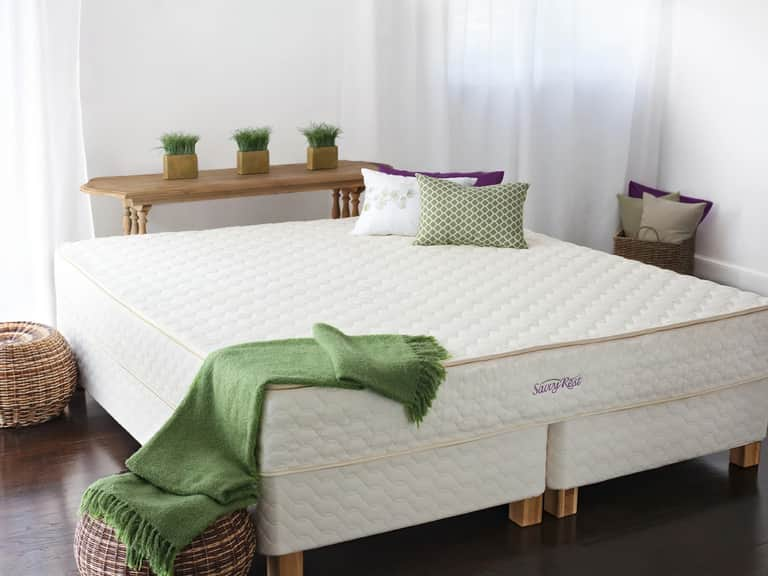
In the broader landscape of latex options, a notable example is the Savvy Rest Serenity Latex Mattress. While primarily a complete mattress rather than a topper, its architecture—three layers of organic Dunlop or Talalay latex encased in a certified organic cotton cover—offers useful parallels for topper considerations. The Serenity emphasizes customization for firmness on each side of a bed, weaving wool and organic cotton into a breathable, temperature-regulated surface. For readers seeking a concrete reference point, consider the principles illustrated by this product: modular layering, organic materials, and a design that prioritizes long-term durability and health-conscious materials.
Note: This article remains focused on toppers and does not advocate any particular brand or product. When evaluating toppers, use the same rigorous standards demonstrated in the Serenity’s design approach—material integrity, layering options, and adherence to health and environmental considerations.
Maintenance, care, and longevity: keeping latex toppers at peak performance
To maximize the lifespan of a latex topper, maintain a stable sleeping climate and protect the surface from contamination and wear. Practical recommendations include:
Use a breathable, removable cover that can be laundered to manage moisture and hygiene.
Avoid overly high heat exposure; while latex is resilient, extreme heat can degrade materials over time.
Rotate or reverse layers if your topper is layered; this practice can distribute wear evenly and extend the topper’s life.
Follow manufacturer care guidelines for cleaning; spot-clean, and air-dry to avoid moisture becoming trapped within the latex structure.
In climates with high humidity or variable temperatures, consider toppers with natural fiber covers—such as organic cotton or wool blends—that promote airflow and dampness management. The aim is a surface that remains consistent in feel, temperature, and support across night after night of use.
Putting it all together: a practical decision framework
Choosing a latex topper can be distilled into a few practical steps, grounded in observation, testing, and personal comfort preferences:
Assess your sleeping position and body weight: Side sleepers often benefit from some contour to relieve shoulder and hip pressure, while back and stomach sleepers may prefer a firmer, more supportive base. Consider density and depth accordingly.
Evaluate climate and moisture considerations: If you live in a warm, humid region, prioritize breathable covers and moderate topper depth to promote airflow.
Consider layering options for future flexibility: A two-layer configuration with a softer top layer and a firmer base can be adjusted by adding or removing layers to refine comfort over time.
Check care requirements and durability expectations: Prioritize toppers with clear care instructions and a track record of long-term performance; latex toppers renowned for durability can offer decades of consistent sleep quality with minimal maintenance.
Conclusion: a measured path to better sleep surfaces
The world of latex toppers, especially Dunlop latex, provides a durable, breathable path to refined sleep comfort. By focusing on material science, layering strategies, and the practical realities of care and climate, readers can make informed choices that align with sleep health and daily well-being. The conversation across eras—from Hypatia’s spirit of inquiry to Gupta’s sleep science framework—reminds us that comfort is both an art and a science. In the end, the most satisfying toppers are those that remain faithful to the sleeper’s body and the science of sleep, rather than a marketing narrative.
Customizable 10" latex mattress blends soft, medium, or firm layers for perfect support, paired with organic cotton and wool for cooler, drier sleep. Made in USA, easy setup, eco-friendly, and swap-friendly with a 90-day layer exchange. Sleep beautifully tailored to you.
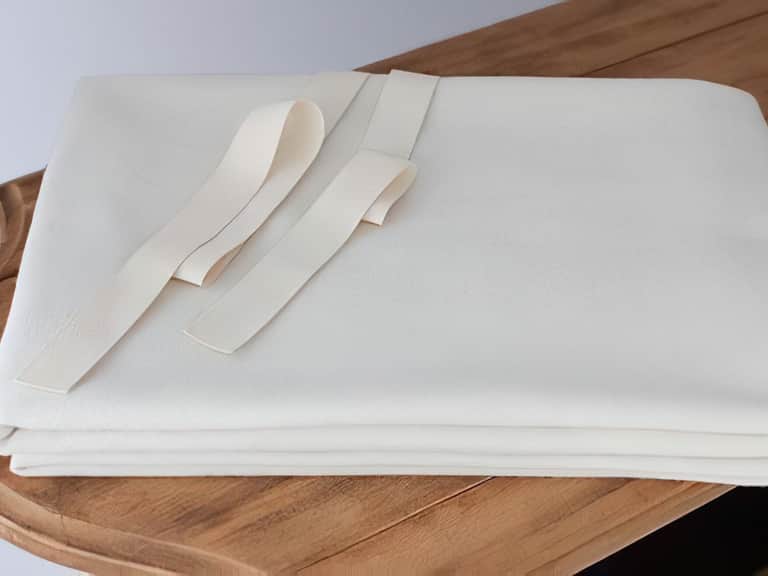
Wrap yourself in cozy, moisture-regulating Wool Pad—soft like a blanket with a snug fit, dust-mmite resistant, and naturally breathable. Organic wool, removable straps, fits mattresses up to 14", handmade in the USA for healthier, cooler nights.
Sink into soft yet precise support that drapes with your curves, stays cool, and resists wear. Luxurious natural fillings cushion shoulders and hips, while motion stays put—so you sleep deeply, uninterrupted, every night.